What to know about tight gates and access for Barnes gardeners
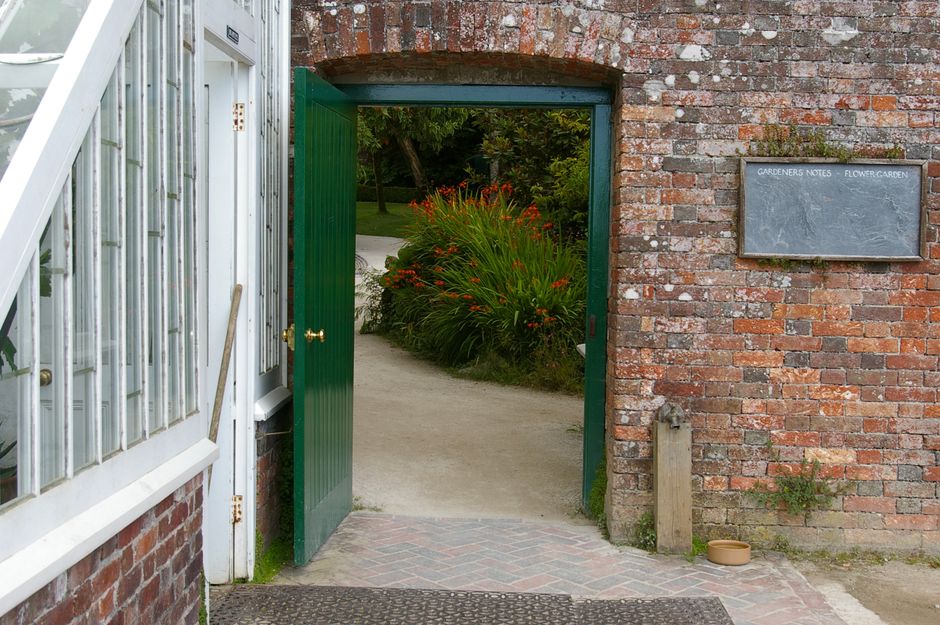
If you have a narrow side passage, a fiddly latch, or a gate that barely opens when the bin is in the way, you are not alone. Tight gates and awkward access are a very normal part of working in Barnes gardens, and they can shape everything from what equipment gets used to how long a job takes. The good news? With a bit of planning, even a compact entrance can be managed calmly and safely.
This guide explains what tight gate access really means for a garden visit, why it matters, how professionals usually work around it, and what you can do before a gardener arrives. It is written for real homes, real fences, and the sort of slightly awkward layouts that London properties seem to specialise in. Let's face it, not every garden was designed with a wheelbarrow in mind.
Why tight gate access matters
Access is not just a convenience issue. For gardeners, it affects whether tools can be carried in one trip or five, whether waste can be removed without damaging borders, and whether a job runs smoothly or becomes a stop-start shuffle around obstacles. A gate that is too narrow, sticky, low, or blocked by overgrown planting can change the whole shape of a visit.
In Barnes, many gardens sit behind terraced layouts, shared passages, side returns, or older fencing that was never built for modern equipment. A mower that fits comfortably through one entrance may be impossible to angle through another. A wheelbarrow may clear the hinge side but snag on a lock. Even a small difference of a few centimetres can matter more than people expect.
Why does this matter to you as a homeowner? Because poor access can affect timing, mess, privacy, cost, and the type of service that is realistic on the day. If the access point is tight, a gardener may need lighter tools, smaller loads, extra labour, or a different approach altogether. That does not mean the job cannot be done. It just means the planning needs to be smarter.
For people arranging regular help, access also influences consistency. If one visit goes fine but the next is delayed because the gate is locked with an awkward bolt or the path is cluttered with bikes and plant pots, the whole maintenance rhythm gets thrown off. Small issue, big ripple.
Garden services overview can be useful if you are comparing different types of work and want to see how access might affect more than one service at once, from mowing to clearance and ongoing upkeep.
How tight gate access works in practice
The basic idea is simple: the gardener needs to get safely from the street or driveway into the working area with tools, materials, and waste. In reality, that means a quick access check before the job starts and, in some cases, a revised plan for the visit itself.
A professional will usually think through a few things:
- the width of the gate and any restriction from hinges, latches, or letterboxes
- the clearance along the path, including bins, planters, scooters, and furniture
- whether there are steps, slopes, mud patches, or uneven paving
- where waste will be stacked and how it will be removed
- whether large tools need to stay outside and only hand tools go in
- how to avoid scraping paintwork, denting timber, or damaging gravel and beds
That sounds like a lot, but in practice it is often a quick conversation and a visual check. A photo sent in advance can save time and prevent surprises. A garden that looks straightforward from the front may have a side gate that opens only halfway because a hedge has swallowed one hinge. It happens more often than you would think.
For broader jobs like clearance or landscaping, access can also decide the sequence of work. Sometimes the team will work from the back of the garden forward so waste does not have to be carried across a finished area. Other times, light equipment is brought in first, with bulk materials or cuttings handled in stages. If you are planning more involved work, garden clearance services and landscaping support often rely on a clear access plan from the outset.
Practical takeaway: tight access is not just about whether someone can squeeze through the gate. It is about how a whole job flows once they are inside.
Key benefits and practical advantages
When access is thought through properly, the benefits are very real. Work is safer, quicker, and usually less disruptive for everyone involved. You also reduce the little frustrations that can turn a simple visit into a long morning of faffing about. Nobody enjoys that.
- Less risk of damage. Narrow openings can scratch gates, chip paint, crush borders, or tear bags if the route is not planned carefully.
- Cleaner work. If the right tools are chosen for the space, there is less dragging, fewer trips back and forth, and less mess around the entrance.
- Better time use. Smaller access can slow a job, but good planning helps keep the work efficient.
- More accurate pricing. Clear access information means estimates are more likely to match the real work required.
- Less stress on the day. A gardener who knows the gate width, latch type, and route in advance can arrive prepared instead of improvising under pressure.
There is also a comfort factor. Homeowners often worry that a narrow entrance means they are being difficult. Truth be told, they are not. London gardens come with quirks. A good service provider expects that. The goal is simply to make the access work, not to pretend every garden is a blank square with perfect paving and a generous double gate.
If your access issues are part of a bigger garden refresh, it may help to look at related services such as garden maintenance, lawn mowing, or hedge trimming, because each one can be affected differently by the same tight entrance.
Who this is for and when it makes sense
Tight gate and access planning matters for a surprisingly wide range of people. If you live in a Victorian terrace, a converted flat with a side passage, a mews property, or a compact urban garden, you will probably recognise the issue instantly. It also matters if the garden is used regularly by children, pets, or older family members, because clutter and temporary setups can create trip hazards very quickly.
This topic is especially relevant if:
- the gate opens inward and collides with planting, bins, or furniture
- you have a very narrow side return or alley
- the garden can only be reached through a shared access route
- there is no direct rear access and everything must come through the house or side passage
- you are booking a one-off job with heavier waste removal
- the work involves multiple services, such as clearance plus soft landscaping
It also makes sense to think about access before you book seasonal work. Spring and early summer can be busy, and once growth gets away from you, hedge cuttings and mown grass build up fast. If the route is tight, even a simple task can feel more demanding than it should. A quick pre-check saves a lot of back-and-forth later on.
For homeowners preparing for a larger job, it can be helpful to review broader company information too, including about the team, insurance and safety, and health and safety policy. Those pages help set expectations about how a professional service should be run.
Step-by-step guidance
If you want the visit to run smoothly, a little preparation goes a long way. Here is a simple process that works well for most homes with tight gates or awkward access.
- Measure the access point. Measure the clear opening, not just the gate itself. If the gate swings awkwardly or catches on the frame, note that too.
- Check the route. Walk the path from the gate to the work area. Look for bins, bikes, wet patches, hoses, children's toys, and low branches.
- Identify the biggest item likely to come through. A small hand mower is one thing; a larger mower, waste sacks, timber lengths, or heavy tubs are another.
- Take a few photos. Wide shots and close-ups of the latch, hinge side, and route are especially useful. A picture really does save time.
- Share any known pinch points. Mention sloping paths, loose gravel, narrow corners, or a gate that only opens fully when lifted slightly.
- Decide what should be moved before arrival. If you can clear the route of obstacles in advance, the work usually starts more quickly.
- Confirm the waste plan. Ask how green waste, soil, branches, or cleared material will be handled if the exit is awkward.
- Agree on access on the day. Someone may need to open the gate, unlock a side entrance, or stay contactable if the route is through a shared passage.
One useful habit: think in terms of what needs to pass through the gate twice. Once in, once out. That includes tools, clippings, and the occasional bag that somehow seems to get larger on the way back. Gardening has a way of doing that.
Expert tips for better results
From an operational point of view, the best access jobs are the ones that feel almost boring. Everything is clear, the route is obvious, and nobody is improvising with a wheelbarrow sideways through a hedge. Boring is good here.
Here are a few practical tips that make a real difference:
- Keep the gate moving freely. A stiff hinge or swollen timber can turn a usable gate into a problem gate overnight, especially after wet weather.
- Mark the narrowest point. If there is a section of the route that is tighter than the gate itself, say so. People often forget the bend after the gate.
- Use lighter loads. Smaller, more frequent trips can be better than forcing oversized sacks through a tight route.
- Protect delicate surfaces. If paving, decking, or painted edges are fragile, ask for a cautious approach with lifting rather than dragging.
- Leave a clear parking or drop-off plan. If tools need to be unloaded near the front and carried in, that should be factored into timing.
- Be realistic about large jobs. Heavy clearance after years of neglect may need more labour than a routine tidy-up.
For some gardens, the smartest choice is not to fight the access at all. It is to reduce what needs to move through it. That might mean breaking work into phases, using smaller tools, or combining an initial clearance with ongoing maintenance visits so the space stays manageable. Simple, really.
Expert summary: good access planning is not about perfection. It is about reducing friction, protecting the garden, and making the work easier for everybody.
Common mistakes to avoid
Tight access issues usually become expensive or annoying when people assume they will sort themselves out on the day. That is the big one. A few other mistakes crop up a lot too.
- Leaving the route blocked. Bins, garden furniture, hoses, and loose pots can be enough to stop a clean entry.
- Forgetting about waste exit. It is one thing to get tools in. Getting bags, branches, or clearance waste out can be the harder part.
- Only checking the gate width. Corners, steps, and latch positions matter as much as the gate leaf itself.
- Underestimating the weight of materials. Soil, turf, wet clippings, and rubble behave very differently from a neat pile of dry leaves.
- Assuming every service needs the same setup. Lawn work, hedge trimming, tree work, and decking preparation all have different access demands.
- Not mentioning shared access. If a neighbour's passage, communal path, or locked side gate is involved, that should be raised early.
Another common one: trying to "just squeeze it through" and hoping for the best. Sometimes that works. Often it ends with a scratched frame and a slightly embarrassing silence. Better to pause and adjust.
If your project is more complex and you are comparing services, it can help to look at tree lopping and removal or decking services early, because those jobs can introduce larger materials, more cutting waste, or equipment that needs careful handling through a narrow access point.
Tools, resources and recommendations
You do not need specialist gear to prepare for a tight-gate garden visit, but a few basic tools and habits make life easier. The best "resource" is usually a clear route and honest communication. Still, some practical items help.
- Measuring tape. Useful for checking the gate opening and any narrow corners.
- Phone camera. Take a couple of photos before the visit. One from outside, one from inside, and one of the gate latch if it is awkward.
- Basic cleaning tools. A quick sweep of leaves, mud, or loose stones can make passage safer.
- Temporary storage space. If bikes, toys, or bins are always in the way, find a short-term parking place for them on the day.
- Bright gloves or markers. Handy if there are loose edges, sharp metal catches, or low obstacles that people might miss.
On the service side, it is sensible to choose a provider that explains how they manage access, safety, payment, and waste handling. Pages such as pricing and quotes, payment and security, and recycling and sustainability can help you understand how a business handles the practical side of the visit, not just the gardening itself.
If you want to know what a broader service relationship looks like before booking, the services overview is a sensible place to start because it places access into the wider context of how the work is delivered.
Law, compliance, standards, or best practice
For most domestic garden jobs, tight gate access is more of a practical and safety issue than a legal one. That said, there are still important best-practice expectations. A professional gardener should take reasonable steps to avoid damage, reduce trip hazards, and work safely around the property.
In UK domestic settings, that typically means:
- keeping routes clear enough to move safely
- not forcing equipment through a gap that risks damage or injury
- handling waste sensibly so it does not obstruct entrances or shared spaces
- being mindful of neighbours, communal areas, and access rights where relevant
- using suitable manual handling practices for heavy or awkward loads
It is also sensible to ask whether the business has insurance and documented safety practices, especially if access is unusual or the work is physically demanding. That is not being fussy; it is being sensible. Narrow spaces create more opportunity for accidental bumps, slips, and strained lifting.
For clarity, this article is not a legal guide, and requirements can vary depending on the property and the type of work. If access crosses shared land, leasehold space, or other controlled areas, you may need to think more carefully about permissions and timing. A good company should be upfront if something looks problematic.
Options, methods, or comparison table
There is no single "right" way to deal with tight access. The best option depends on the job, the route, and how much needs to move through the gate. Here is a simple comparison that helps homeowners think it through.
| Approach | Best for | Pros | Watch-outs |
|---|---|---|---|
| Small hand tools only | Routine tidy-ups, light pruning, minor upkeep | Low risk, easy through narrow gates, quick setup | Not suitable for large waste or bigger clearance jobs |
| Phased working | Moderate jobs with awkward entrances | Reduces congestion, keeps routes clear, works well in sections | Can take longer overall if the site is very overgrown |
| Smaller equipment | Lawns, edging, and lighter maintenance | More flexible, easier to manoeuvre, less strain on surfaces | May be slower than full-size tools for bigger areas |
| Front-to-back waste handling | Clearance, pruning, hedge cutting | Useful when the rear access is limited | Requires careful route planning and good communication |
| Increased labour support | Heavy clearance or bulky materials | Helps with lifting and carrying, reduces damage risk | More people on site may affect timing and coordination |
If you are not sure which option fits, the safest answer is usually the least disruptive one that still gets the job done properly. No heroics required.
Case study or real-world example
A typical Barnes scenario goes like this. A homeowner has a mature rear garden with a narrow side gate, a small patch of paving, and a hedge that has slowly crept inward over the years. The gate technically opens wide enough, but only if the latch is lifted just so. There is also a bin store right by the entrance, which makes the first turn awkward.
Instead of sending in large tools and hoping for the best, the job is planned in stages. The route is cleared first. Smaller equipment is used for the lawn and edges. Hedge trimmings are gathered in lighter bags rather than overfilled loads. Waste is kept away from the narrowest point until it can be moved out cleanly. The result is not flashy, but it is neat, safe, and much less frustrating than forcing a bulky setup through a tight route.
What made the difference? Not brute force. Just preparation. The homeowner had sent photos before the visit, mentioned the sticky latch, and cleared the path the night before. That tiny bit of forward planning saved a lot of faff on the day.
In real life, this is usually how the best access jobs go. A modest amount of information up front leads to a smoother, quieter, better-finished result.
Practical checklist
Use this checklist before a gardener arrives if access is tight or uncertain.
- Measure the clear gate opening
- Check whether the gate swings fully and latches properly
- Look for narrow bends, steps, or uneven paving
- Move bins, bikes, toys, and furniture out of the route
- Trim back any overgrowth that is squeezing the passage
- Take a few clear photos of the gate and path
- Tell the gardener about any shared access or neighbour considerations
- Ask how waste will be taken out if the route is very narrow
- Confirm whether larger equipment is likely to fit
- Keep the entrance clear on the day of the visit
Quick reminder: if the access looks marginal, mention it early. It is always better to be slightly over-prepared than to discover the problem with a wheelbarrow halfway through the job.
Conclusion
Tight gates and awkward access do not have to be a headache. With a little measuring, honest communication, and sensible planning, most Barnes gardens can be worked on safely and efficiently. The key is not to pretend the access is easy when it is not. Just say what is there, show a photo or two, and let the work be planned around the real layout.
That approach helps protect the garden, keeps the visit calm, and gives you a far better chance of getting a clean result first time. And honestly, that is what most people want: no drama, no damage, no surprise delays on a damp Tuesday morning.
If you are ready to talk through access, timing, or the right type of garden help for your space, contact the team and share what the gate and path look like. A short conversation now can make the whole visit smoother later.
Get a free quote today and see how much you can save.
Frequently Asked Questions
How narrow is too narrow for a gardener's access?
There is no single answer because the tools, the waste, and the layout all matter. A gate that seems fine for a person may still be awkward for a mower, wheelbarrow, or full waste bag. The safest approach is to measure the clear opening and share a photo before the visit.
Can gardeners work through a side passage that is very tight?
Often yes, but they may need smaller tools, lighter loads, or a phased approach. The main question is whether the route is safe and practical for the work being done. If there are corners, steps, or fragile surfaces, that should be mentioned early.
What should I do before a gardener arrives if access is narrow?
Clear the route, move bins and obstacles, take a couple of photos, and check that the gate opens properly. If the latch is fiddly or the ground is uneven, say so. A little prep can save a surprising amount of time.
Will tight gate access make the job more expensive?
Sometimes it can, especially if the work needs extra labour, smaller equipment, or longer handling time. Not every job changes in price, though. It depends on how much the access affects the actual work. A clear quote is the best way to know.
What if the waste from the garden cannot easily get back out through the gate?
That is a common issue in compact gardens. The solution may be smaller waste loads, more frequent trips, or a different sequence of work. For bigger clearances, access planning matters just as much for removing waste as for bringing tools in.
Do gardeners bring smaller tools for tight spaces?
Many do. Smaller mowers, handheld trimmers, and lighter bags are often much better than forcing larger equipment through a narrow route. It is one of those things that sounds obvious after the fact, but makes a big difference on the day.
Should I mention shared access with neighbours or a communal path?
Yes, definitely. Shared access can affect timing, permissions, and where waste or tools can be placed. It is much easier to plan around that early than to discover it when everyone is already on site.
How can I tell if the gate itself is part of the problem?
If the gate sticks, scrapes, sags, or opens only part way, the gate may be as much of a constraint as the width. Sometimes a swollen timber frame or misaligned hinge reduces the usable opening more than people realise.
Is it better to book maintenance or clearance first for an overgrown garden with tight access?
Usually a clearance or reduction visit comes first if the route is badly overgrown. Once the access is easier, ongoing maintenance becomes much simpler. It is a bit like clearing your hallway before bringing in the vacuum cleaner. Obvious, but easy to forget.
What information should I send when asking for a quote?
Send the gate width if you know it, a few photos, details of any steps or narrow bends, and a note about what work you need done. If you are not sure, just describe the route in plain language. Good quotes depend on real conditions, not guesses.
Can access problems affect the timing of a visit?
Yes. Narrow gates can slow the loading and unloading process, especially if there is waste to move out in stages. Timing is usually more accurate when the gardener knows the layout in advance, because nobody has to improvise around a surprise bottleneck.
What is the best overall advice for Barnes homeowners with tight garden access?
Measure it, photograph it, mention the awkward bits, and do not leave the route cluttered. That really is the heart of it. Once everyone knows what they are working with, tight access becomes a manageable part of the job rather than a problem.