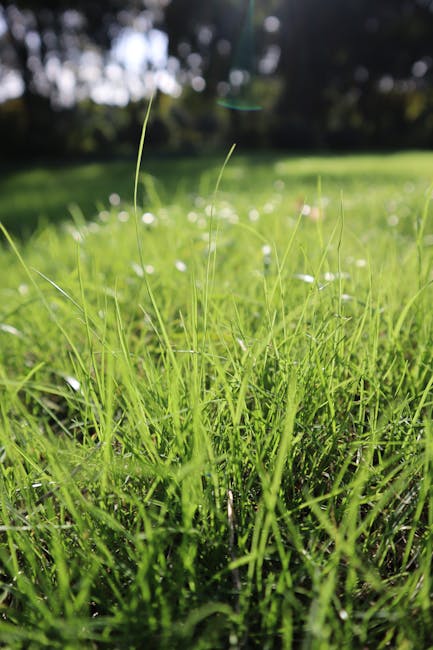
SW13 Gardeners Tips for Maintaining Barnes Common Front Lawns
If you live near Barnes Common or manage a front lawn in SW13, you already know the charm and the challenge. The setting is leafy, the foot traffic can be heavy, and the weather seems to change its mind every five minutes. That means front lawns need more than a quick mow now and then. They need a steady, sensible routine that keeps grass healthy, tidy, and resilient.
This guide brings together practical SW13 gardeners tips for maintaining Barnes Common front lawns in a way that feels realistic for busy London homeowners. You will find seasonal advice, simple maintenance steps, common mistakes to avoid, and a few professional pointers that make a genuine difference. No fluff. Just the sort of advice that helps a lawn look cared for without turning your weekends into a second job.
And yes, there is a difference between a lawn that is merely short and a lawn that actually looks good. Let's get into it.
Why SW13 Gardeners Tips for Maintaining Barnes Common Front Lawns Matters
Front lawns do a lot of quiet work. They frame the house, soften hard edges, and set the tone before anyone steps through the door. Around Barnes Common, that matters even more because the area has a distinctly green, well-kept feel. A patchy, tired lawn sticks out quickly. So does one that is overcut, compacted, or full of moss.
There is also the practical side. Front gardens near open green spaces tend to deal with more movement, more shade from mature trees, and more moisture retention in cooler months. In plain English: lawns here often face a mix of wear and stress. You can absolutely keep them looking sharp, but the approach has to suit the setting.
That is where the right maintenance rhythm comes in. Not aggressive treatment. Not endless fussing. Just a consistent plan: mowing properly, feeding when needed, aerating compacted soil, controlling edges, and spotting trouble early. A lawn that gets this attention usually holds colour better, recovers faster after wet weather, and looks far more settled through the year.
For many homeowners, the front lawn is also part of the welcome. It tells a story. A healthy, even sward says the property is cared for. A neglected one says something else. Harsh, but true.
If the space is part of a wider garden project, it can also make sense to look at broader support through garden maintenance or, where the area needs a bigger reset, garden clearance. Sometimes the lawn is not the only thing asking for attention.
How SW13 Gardeners Tips for Maintaining Barnes Common Front Lawns Works
Good lawn maintenance works by keeping the grass in a stable growing condition rather than pushing it too hard. That means the soil, the roots, the cut length, moisture levels, and the surrounding environment all matter. Miss one of those pieces and the results tend to wobble.
In Barnes and the wider SW13 area, the most effective approach usually follows a few principles:
- Cut less aggressively. Short grass is not automatically healthier grass.
- Work with the season. Spring, summer, autumn, and winter all call for different priorities.
- Protect the roots. Soil compaction is a common issue, especially where people walk over the same strip repeatedly.
- Keep the edges neat. Small details matter more than people think.
- Use feeding and watering carefully. Too much of either can create weak growth, not strong growth.
A practical lawn plan often begins with a simple assessment. Is the grass thin in shade? Are there bare patches near the path? Does water sit on the surface after rain? Are moss and thatch building up? These questions tell you more than a quick glance from the pavement ever will.
Then comes the routine. For example, if the lawn is cut too low in early spring, it may look neat for a week and then struggle for a month. If it is left too long in damp conditions, it can become heavy and messy, and the mower may tear rather than cut. The balance is, well, the whole game.
When professional help is involved, the work often blends mowing, edging, and periodic care rather than a one-size-fits-all package. For a sense of how services are typically organised, you can explore lawn mowing support alongside broader services overview information.
Key Benefits and Practical Advantages
There is a reason well-kept front lawns tend to lift the whole street. They create visual order. But the advantages go beyond appearance.
- Better resilience: Regular but careful mowing and seasonal care help grass cope with wear, weather swings, and temporary stress.
- Cleaner presentation: A tidy front lawn makes the whole property feel more organised, even if the rest of the garden is modest.
- Healthier turf: Correct cutting height and occasional aeration can improve airflow, root strength, and recovery.
- Less long-term repair: Catching problems early often costs less time and effort than waiting until the lawn becomes patchy or overrun.
- Improved access and safety: Even surfaces and clear edges reduce awkward trips, especially near paths and entrances.
- Better use of the space: A front lawn can be both practical and attractive rather than just something to keep alive.
There is also a small but real emotional benefit. A neat front lawn changes the way you arrive home. You notice it on the way in. It feels calmer, somehow. That sounds a bit sentimental, I know, but it is true. A cared-for entrance makes daily life feel more settled.
And if the garden needs shaping beyond the turf itself, services such as landscaping or landscape gardening can help create a more balanced front-of-house scheme.
Who This Is For and When It Makes Sense
This advice is useful for a few different people. If you own a family home with a visible front garden, it helps you keep the property smart without overcomplicating things. If you rent or manage a property, it helps maintain kerb appeal with minimal disruption. If you are a landlord, agent, or simply the person who always ends up sorting the lawn, this is the sort of routine that saves a lot of hassle.
It also makes sense when you notice specific signs:
- the lawn is thinning near the pavement or gate
- moss is spreading under shade or in damp corners
- the grass goes yellow quickly after cutting
- the soil feels hard underfoot
- edges are fraying and swallowing the border
- the front garden looks untidy no matter how often it is mown
Sometimes the issue is not a lack of effort. Sometimes the wrong effort is being repeated. That is a subtle but important difference. You can mow every week and still have a poor-looking lawn if the cut height, timing, and soil condition are all off.
Front lawns near Barnes Common may also sit in awkward microclimates: shade from mature trees, moisture from nearby planting, and wind movement that dries the surface in strange patches. Those little quirks matter. To be fair, London gardens are rarely straightforward.
Step-by-Step Guidance
Here is a simple, practical routine for maintaining a front lawn in SW13 without overdoing it.
1. Start with a proper assessment
Look at the lawn after a light rain if possible. That makes uneven areas, compacted patches, and drainage problems easier to spot. Check the shade pattern, too. A lawn that gets morning sun and afternoon shade behaves differently from one that sits in full light all day.
2. Mow at the right height
Do not scalp the grass just to make it look tidy. A slightly higher cut often helps the lawn retain moisture and remain stable. If the weather is dry, raise the blades a touch. If growth is vigorous and the grass is healthy, cut little and often rather than removing too much at once.
3. Edge the borders
Clean edges make the whole front garden feel sharper. Use edging tools or a trimmer carefully along paths, drives, and beds. This is one of those jobs that looks minor right up until you skip it. Then suddenly everything looks unfinished.
4. Feed and water with restraint
Feeding can help, but only if the lawn actually needs it. Overfeeding may produce soft growth that looks lush for a moment and then weakens later. Water deeply rather than frequently, where watering is needed. Shallow watering encourages shallow roots, and shallow roots are not much fun when a dry spell arrives.
5. Deal with compaction
If the lawn feels hard or springy in a bad way, aeration may help. Small holes allow air and water to move more freely into the root zone. For lawns that take footfall near the entrance, this is often one of the most useful interventions.
6. Tackle moss and thatch gradually
Moss is usually a sign of underlying conditions rather than the main problem. Shade, dampness, and compacted soil are the common culprits. Thatch is the layer of dead grass and organic material sitting at the surface. If it builds up, the lawn can feel spongy and struggle to breathe. Light scarifying or raking may help, but do not strip the lawn bare all at once.
7. Repair bare patches early
Small bare areas are much easier to fix than large ones. Rake the spot, improve the soil surface, and reseed or patch carefully. If you leave it until winter, it tends to become a bigger job for no real reason.
8. Keep a seasonal rhythm
Spring is usually about recovery and fresh growth. Summer is about stress management and sensible cutting. Autumn is a good time for repair and strengthening. Winter is mainly about restraint, observation, and avoiding damage when the ground is wet or frozen.
If the lawn has become too far gone, or the front area needs a bigger clean-up before you can start this routine properly, a more intensive reset through garden clearance can sometimes be the best first step. Not glamorous, but effective.
Expert Tips for Better Results
Here is where the detail starts to matter. Small choices make a big difference over time.
- Cut dry grass when possible. Wet blades clump, tear more easily, and can leave the lawn looking patchy.
- Rotate mowing patterns. Going the same direction every time can create wear lines and lean in the grass.
- Watch the shade edges. The strip under trees or beside hedges often needs different care from the rest of the lawn.
- Keep mower blades sharp. A clean cut helps the lawn recover more cleanly.
- Leave the lawn a bit longer in hot spells. It helps the grass hold moisture and reduces stress.
- Do little and often. That advice is boring, but honestly, it works.
A useful local habit is to look at the lawn from the pavement before deciding what to do. Sounds odd, but the street-level view quickly reveals irregular edges, colour changes, and patchy sections that you may miss up close.
Another tip: do not judge the lawn only by the centre. The front boundary, the path edge, and the strip close to the house often tell the real story. A lawn can look fine in the middle and still be struggling at the margins.
If trimming hedges or boundary planting is affecting light levels, consider pairing lawn care with hedge trimming so the grass gets a fairer chance. That one tweak can improve things more than expected.
Common Mistakes to Avoid
Most lawn problems do not start dramatically. They creep in through everyday habits.
- Cutting too short: This is probably the most common mistake. It weakens the grass and invites stress.
- Ignoring compaction: A lawn that never gets aerated can slowly lose vitality, especially near walkways.
- Overwatering: Too much water can be just as unhelpful as too little, especially in cooler periods.
- Using the same maintenance routine all year: Seasonal change matters. Winter care is not summer care.
- Waiting too long to repair damage: Bare patches get bigger. They always do.
- Letting leaves sit too long: Damp leaf cover shades the grass and encourages problems underneath.
Another sneaky one is using heavy equipment when the ground is soft. If the soil is wet, repeated traffic or a mower with poor traction can leave ruts that take ages to settle. It's a bit annoying, yes, but avoidable.
And let's not forget the temptation to do a dramatic tidy-up all in one go. That usually ends with a stressed lawn and a tired gardener. Better to stay measured.
Tools, Resources and Recommendations
You do not need a shed full of specialist equipment to maintain a good front lawn. A modest kit used well is often better than expensive tools left gathering dust.
| Tool / Resource | What It Helps With | Why It Matters |
|---|---|---|
| Lawn mower | Regular cutting and shape control | Consistent cutting height is the foundation of a tidy lawn |
| Edging tool or trimmer | Border definition | Sharp edges make the whole front garden look cared for |
| Spring-tine rake | Light thatch removal and surface cleanup | Helps the lawn breathe without overworking it |
| Garden fork or aerator | Relieving compacted soil | Useful in high-traffic or clay-heavy areas |
| Broadcast spreader or hand feeder | Even feeding | Reduces patchy application and overfeeding risks |
| Watering can or hose with care | Targeted watering | Supports recovery without drowning the lawn |
For homeowners who prefer help with the practical side, a structured maintenance visit often covers mowing, edging, and seasonal tidy-ups in one visit. You can also review pricing and quotes if you want to compare options before booking work.
If you are choosing between doing it yourself and hiring help, be honest about time. A front lawn may only take a small amount of time each week, but consistency is what matters. Miss it for a month and, well, the lawn tends to notice before you do.
Law, Compliance, Standards, or Best Practice
For ordinary front lawn care, there is usually no special legal framework beyond sensible property care, neighbour consideration, and general safety. That said, a few UK best-practice points are worth keeping in mind.
First, avoid creating nuisance. Early-morning mowing, blowing debris into neighbouring paths, or letting clippings drift onto pavements can cause unnecessary friction. Not a legal drama, just bad manners dressed up as gardening.
Second, be careful with waste handling. Grass clippings, leaves, and green waste should be managed responsibly. If you have a larger clear-up, look for tidy disposal and recycling-minded practice. The company's recycling and sustainability approach is a helpful reminder that garden care should not create avoidable waste.
Third, pay attention to safe working practice. Sharp tools, electrical equipment, and uneven ground all carry ordinary risks. If you are hiring someone, check that they work safely and that the business takes insurance and site safety seriously. That is not overcautious; it is just sensible. You can review insurance and safety and the health and safety policy for a clearer sense of that mindset.
If there is a tree affecting the lawn through heavy shade, root pressure, or falling debris, the issue may be more structural than cosmetic. In that case, professional tree lopping and removal advice may be relevant, though only where it is genuinely appropriate. Trees are part of the character of Barnes; you do not want to rush those decisions.
Options, Methods, or Comparison Table
Not every lawn needs the same level of attention. Sometimes it helps to compare the main approaches before deciding what suits your front garden.
| Approach | Best For | Pros | Trade-Offs |
|---|---|---|---|
| DIY routine | Smaller, manageable front lawns | Low cost, flexible, hands-on control | Needs time, consistency, and a bit of know-how |
| Occasional professional help | Busy households or one-off resets | Good for awkward jobs and seasonal tidy-ups | Less frequent attention can mean problems return |
| Regular maintenance service | Larger or high-visibility front gardens | Predictable presentation and ongoing care | Higher ongoing commitment |
In practice, many people end up using a hybrid model. They handle light mowing and visual checks themselves, then bring in extra support for heavier seasonal work. That is often the sweet spot, truth be told.
If the front garden sits within a broader outdoor redesign, it may also be worth seeing how landscaping can improve access, drainage, and the transition between lawn and hard surfaces. A lawn does not live in isolation.
Case Study or Real-World Example
Picture a typical Barnes front garden: a modest lawn facing the street, shaded on one side by mature planting, with a narrow path running through the middle. In spring it looks promising, but by late June the centre has grown uneven, the edge near the path is thinning, and moss has started to creep in along the shadier side.
The solution was not a dramatic overhaul. It was a sequence of small corrections:
- raise the mower height slightly
- cut more frequently but remove less each time
- define the edges properly
- aerate the compacted strip near the path
- thin out the surrounding hedge growth a little
- patch the bare area rather than ignore it
Within a few weeks, the lawn looked more even and less tired. Not perfect. Real lawns rarely are. But it looked cared for, and more importantly, it started behaving better. That is often what good maintenance does: it reduces the number of small problems before they become visible from the street.
A neighbour passing by might only notice that the front of the house looks calmer and more finished. You, meanwhile, know why. It is not magic. Just repeated good decisions.
Practical Checklist
Use this as a quick working list for front lawn maintenance in SW13.
- Check mowing height before each cut
- Inspect for shade, compaction, or drainage issues
- Keep edges tidy along paths and borders
- Remove leaves and debris promptly
- Water only when needed, and do it deeply rather than lightly and often
- Feed thoughtfully, not automatically
- Aerate compacted areas when the soil is suitable
- Repair bare patches early
- Watch for moss or thatch build-up
- Review hedge or tree shade if the lawn struggles year after year
- Keep mower blades sharp
- Adjust care with the seasons
Quick practical summary: the best lawns in Barnes are usually not the ones that are fussed over constantly. They are the ones that are handled consistently, with a bit of restraint and a good eye for detail. That is the real trick.
Conclusion
Maintaining a Barnes Common front lawn in SW13 is really about reading the space properly and responding before problems settle in. A bit of cutting, a bit of edging, some seasonal care, and a sensible approach to soil and shade can transform a front garden without turning it into a project that eats your life.
If you remember nothing else, remember this: the lawn does not need perfection, it needs rhythm. A calm, regular routine will do more than occasional heroic effort ever will. And once the front of the house feels tidy and balanced, the whole property tends to follow suit. Funny how that works.
If you would like tailored help, practical maintenance support, or advice on the best next step for your outdoor space, you can explore the company's about us page or take a look at contact options to start the conversation.
Get a free quote today and see how much you can save.
Frequently Asked Questions
How often should a front lawn in SW13 be mown?
It depends on the season, the grass type, and how quickly it grows. In active growing periods, a regular routine is usually better than waiting until the lawn looks too long. Cutting little and often tends to produce a cleaner result than occasional heavy mowing.
What cutting height is best for Barnes Common front lawns?
There is no single perfect height, but slightly longer grass is usually safer than cutting too short, especially in dry spells or shaded areas. Short cuts can look neat for a day, then leave the lawn looking stressed. A moderate height is often the sensible choice.
Why does my front lawn get mossy even though I mow it regularly?
Moss often points to deeper conditions such as shade, damp soil, compaction, or poor drainage. Mowing alone will not fix that. You usually need to improve the underlying growing conditions as well, even if that means adjusting nearby planting or aerating the ground.
Can I improve a patchy lawn without replacing the whole thing?
Yes, often you can. Small bare areas are usually repairable with raking, reseeding, and a bit of patience. If the lawn is thin in several places, a more targeted renovation may be needed, but full replacement is not always necessary.
Is it better to water lawns in the morning or evening?
Morning is generally the safer choice because it gives the grass time to dry during the day. Watering at night can leave the surface damp for too long, which is not ideal. That said, if your lawn rarely needs watering, the bigger question is whether it needs it at all.
Should I fertilise my front lawn every season?
Not automatically. Feeding should respond to the lawn's condition, soil, and growth pattern. Overfeeding can create soft, weak growth. A measured approach usually works better than simply feeding on a schedule and hoping for the best.
What is the fastest way to make a front lawn look tidier?
Edge the borders, mow at the right height, and clear debris. Those three jobs often make the biggest visible difference in the shortest time. If you only have an hour, start there. It is not flashy, but it works.
Do shaded front lawns need different care?
Yes, they usually do. Shaded lawns often grow more slowly, hold moisture longer, and can be more prone to moss. They may need less aggressive mowing and more attention to airflow, drainage, and competition from nearby plants or trees.
When should I call in a professional gardener?
If the lawn keeps declining despite regular care, or if you are dealing with compaction, heavy moss, awkward shade, or a larger tidy-up, professional help can save time and reduce guesswork. It is especially useful when you want a reliable routine rather than a one-off fix.
Can lawn care be part of a wider garden maintenance plan?
Absolutely. In fact, that is often the best way to manage a front garden properly. Lawn work, hedge trimming, and general upkeep tend to support each other. A lawn looks better when the surrounding garden is also in shape.
Does a front lawn need different care from a back garden lawn?
Often, yes. Front lawns usually face more visibility, more foot traffic, and more street exposure. That means they need a sharper presentation and sometimes a slightly sturdier routine. They are the face of the property, after all.
What should I do first if the lawn has been neglected for a while?
Start with a clean-up and a simple assessment. Remove debris, inspect for compacted areas, check the cut height, and identify the worst patches. From there, you can decide whether basic maintenance is enough or whether the lawn needs more substantial help, such as a clearance or reset before regular care begins.