Barnes Station Area Garden Upkeep Service by Local Gardeners: A Practical Guide for Tidy, Healthy Outdoor Spaces
If your garden near Barnes Station has started to feel a bit unruly, you are not alone. A few wet weeks, a burst of spring growth, or a busy month away from home can turn a neat outdoor space into something that feels like hard work before breakfast. That is where a Barnes Station area garden upkeep service by local gardeners really earns its keep: steady, knowledgeable care that keeps things healthy, tidy, and manageable without you having to chase every border, hedge, and lawn edge yourself.
This guide explains what garden upkeep actually includes, how local gardeners approach it, who benefits most, and how to choose a service that fits your garden rather than forcing your garden to fit a fixed routine. It also covers practical checks, common mistakes, and the sort of expectations that make a service feel smooth rather than stressful. To be fair, the best garden upkeep is often the kind you barely have to think about.
Quick takeaway: regular upkeep is less about "making it look pretty" once in a while and more about preventing small jobs from becoming expensive, time-consuming problems. A consistent routine keeps lawns healthier, hedges sharper, paths clearer, and planting beds easier to manage.
Table of Contents
- Why local garden upkeep matters around Barnes Station
- How the service works in practice
- Key benefits and practical advantages
- Who this is for and when it makes sense
- Step-by-step guidance
- Expert tips for better results
- Common mistakes to avoid
- Tools, resources and recommendations
- Law, compliance, standards, or best practice
- Options, methods, or comparison table
- Case study or real-world example
- Practical checklist
- Conclusion
- Frequently asked questions
Why Barnes Station area garden upkeep service by local gardeners Matters
Gardens in and around Barnes Station often deal with a mix of pressures that are easy to underestimate. You get seasonal growth spurts, shaded corners that hold moisture, compact urban soil in some plots, and the usual day-to-day wear from family use, pets, deliveries, bins, and foot traffic. None of that sounds dramatic. Still, it adds up.
Regular upkeep matters because most garden problems begin quietly. A lawn gets a little long and starts thinning. A hedge grows wider than expected and blocks light. Weeds set seed in a border because nobody had time to clear them after a rainy spell. Then suddenly the job is no longer "maintenance"; it is a catch-up project.
Local gardeners bring something useful here: familiarity with the rhythm of the area, the pace of seasonal growth, and the practical realities of working in neighbourhood gardens where access, parking, and timing can matter. That local awareness is not glamorous, but it helps. It means the work is usually planned with fewer surprises and more realism.
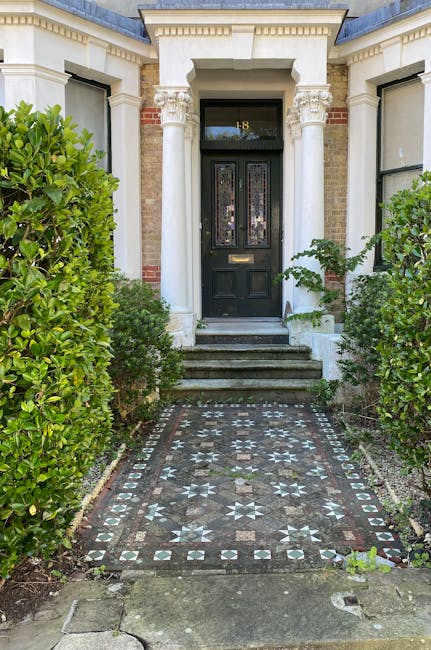
There is also a visual side to it. A well-kept front garden near a station area can change how a whole property feels. You notice it on arrival, even if you do not consciously think about it. The edges look crisp, the path feels clear, and the space stops asking for attention every time you pass the window.
If your garden includes structured features like timber decking, you may also want to keep an eye on adjacent surfaces and planting. Services such as decking services and broader landscaping can complement routine upkeep when a garden needs more than mowing and pruning.
How Barnes Station area garden upkeep service by local gardeners Works
Garden upkeep is usually built around repeatable tasks. The exact schedule depends on the garden, but the general model is straightforward: assess what needs doing, agree the routine, carry out the tasks, and adjust as the seasons change. Sounds simple. In real life, the good service is in the details.
1. Initial assessment
A local gardener will normally begin by looking at the whole space rather than jumping straight into a single task. They will check the lawn condition, hedge growth, weed pressure, border health, leaf build-up, access points, and anything that may affect safe or efficient work. If there are trees, awkward slopes, damp spots, or areas that get heavy use, those matter too.
This first look is where expectations get set. If a lawn needs one-off recovery work before it can be maintained properly, that should be said clearly. If shrubs have been left for a while and need reshaping, the service plan should reflect that. Nobody benefits from pretending a one-hour tidy is enough when the garden has other ideas.
2. Choosing the right maintenance rhythm
Some gardens need weekly attention, others work better on a fortnightly or monthly schedule. A smaller courtyard with slow growth may only need periodic visits. A family garden with fast-growing grass, hedges, and frequent use may need more regular input. The right rhythm is the one that keeps the space healthy without wasting effort.
That often includes a mix of tasks such as:
- lawn mowing and edging
- hedge trimming and light shaping
- weed control and border clearing
- leaf clearance and seasonal tidy-ups
- deadheading and basic plant care
- path and patio sweeping
- minor pruning and debris removal
For lawns that need regular attention, a dedicated lawn mowing service can form the backbone of the upkeep plan, while hedge work is often handled through hedge trimming when growth starts to spread or shade out key planting.
3. Carrying out the work safely and cleanly
Professional upkeep is not just about doing the visible job. It is about doing it neatly. Tools should be appropriate, clippings should be cleared, paths should not be left slippery, and waste should be handled properly. If the work involves difficult access or heavier clearance, that should be managed carefully rather than rushed.
Some gardens only need light routine attention. Others drift into partial clear-out territory and benefit from garden clearance before a regular upkeep pattern can restart. That happens more often than people expect, especially after a winter of neglect or a long spell when nobody had time to keep on top of things.
4. Reviewing and adjusting over time
Good upkeep is not static. In spring, growth can explode. In late summer, dry weather can stress lawns and borders. In autumn, leaves and dead material become the focus. A sensible gardener adjusts the visit plan rather than sticking stubbornly to the same checklist all year.
That flexibility is one of the quiet advantages of using local gardeners. They see the garden regularly, so they can spot trouble before it becomes obvious to everyone else. A patch of moss, a hedge that has lost shape, a border that is being choked by self-seeded growth. Little things, but they matter.
Key Benefits and Practical Advantages
The biggest benefit of regular garden upkeep is prevention. That sounds almost too simple, but it is true. Small, consistent effort keeps the garden easier to manage and usually reduces the need for larger corrective work later.
- Better curb appeal: tidy lawns, clear edges, and well-shaped hedges make an immediate difference.
- Healthier planting: dead leaves, weeds, and overcrowding are removed before they suppress growth.
- Less stress: you do not have to spend weekends trying to catch up with everything at once.
- Safer outdoor areas: paths, steps, and access routes are clearer and less likely to become messy or slippery.
- More usable space: a maintained garden is easier to enjoy, not just look at from the window.
- Seasonal control: the garden is prepared for weather shifts rather than reacting to them too late.
There is also a practical money angle, though it should be handled carefully. Routine upkeep often helps avoid bigger remedial jobs. That does not mean every small issue becomes expensive if ignored, but it does mean gardens tend to be cheaper to manage when they are kept in motion rather than left to slide.
If you are comparing longer-term care plans, it can be helpful to review a provider's wider garden maintenance approach alongside its pricing structure and service scope. You want to know what is included, what counts as extra, and how changes are handled if the garden suddenly needs more work than expected.
Who This Is For and When It Makes Sense
This kind of service suits a wide range of people, and not all of them are obvious at first glance. The classic case is a homeowner who simply does not have the time or tools to keep a garden in shape. But there are plenty of others.
- Busy households: when work and family life leave little room for garden chores.
- Older residents: when bending, lifting, and handling tools is no longer comfortable or safe.
- Landlords and property managers: when outdoor presentation affects how a home is perceived.
- New homeowners: when the garden needs a reset after purchase.
- People recovering from a busy season: sometimes life just gets away from you, honestly.
- Garden owners with mixed planting: especially where lawns, hedges, shrubs, and hard landscaping all need different attention.
It also makes sense when you want consistency rather than occasional rescue work. If you keep saying, "I'll sort it next weekend," and next weekend keeps vanishing, a regular local service may be the more sensible route.
For gardens with dense planting or awkward sections, combining routine upkeep with broader design work can be useful too. That is where services like landscape gardening or even targeted landscaping can help improve how manageable the space is in the long term.
Step-by-Step Guidance
If you are planning garden upkeep for the Barnes Station area, a simple process usually works best. No need to overcomplicate it.
- Walk the garden with fresh eyes. Look at what feels overgrown, tired, or awkward to manage. Notice where weeds build up, where water sits, and which areas you avoid because they are a nuisance.
- Decide what needs routine care and what needs a one-off reset. Some gardens only need a light refresh. Others require clearance before maintenance can begin. Be honest here, it saves trouble later.
- Identify the high-priority jobs. Lawns, hedges, paths, and access areas usually come first because they affect appearance and usability straight away.
- Set a realistic schedule. A weekly, fortnightly, or monthly visit pattern depends on growth rate, garden size, and use.
- Ask what the service covers. Does it include cuttings removal, edging, seasonal pruning, or weed control? If not, ask what happens when those tasks become necessary.
- Review after the first couple of visits. Gardens often settle into a pattern once the main growth and debris are under control.
If there are heavier jobs around the site, such as storm-damaged branches or older trees that need attention, a more specialist service may be required. Tree lopping and removal is not the same thing as routine garden care, and it should be treated with the extra caution that kind of work deserves.
One useful habit: keep a simple note of what the gardener did and what changed. It need not be fancy. Even a short message or checklist helps you spot patterns, like recurring moss, a hedge that keeps surging after rain, or a border that needs better mulching. Small notes, big value.
Expert Tips for Better Results
There are a few habits that make garden upkeep smoother and more effective, and they are often the same habits professionals quietly rely on.
- Keep access clear. Gardeners work faster and more safely when gates, side paths, and storage areas are easy to reach.
- Separate routine and reactive work. Don't let one urgent task swallow the whole session if the garden needs a broader plan.
- Match the service to the season. Spring and autumn usually need more attention than a calm stretch in mid-summer.
- Watch hedge timing carefully. A hedge left too long can become lopsided, woody, and awkward to restore.
- Ask for tidy finishes. Clean edges, swept paths, and removed cuttings make the work feel complete, not half-done.
- Consider sustainability. Composting green waste where appropriate, reducing unnecessary waste, and reusing healthy material sensibly can all help.
A small but important point: lawns and hedges do not always want the same schedule. People often assume the whole garden should be done in one pass, but that can be wasteful. A lawn may need more regular attention while a shrub border needs lighter, less frequent intervention. The best plans notice those differences.
It can also help to choose a provider with clear working practices. For many readers, the reassurance sits in things like insured work, safety awareness, and straightforward payments. Pages such as insurance and safety, health and safety policy, and payment and security are worth checking because they show how a service thinks about trust, not just tidiness.
Common Mistakes to Avoid
Most garden upkeep problems are not dramatic. They are ordinary mistakes repeated over time. That is the annoying bit.
- Waiting until everything is overgrown: once the garden slips too far, upkeep becomes recovery work.
- Assuming one service fits all: a maintenance plan for a compact courtyard is not the same as one for a large family garden.
- Skipping seasonal changes: what works in June may be wrong in October.
- Ignoring waste removal: clippings and debris left behind can make a tidy job look unfinished.
- Cutting hedges or shrubs too hard: overcutting can leave plants stressed or uneven.
- Choosing on price alone: cheap can be fine, but only if the scope, quality, and reliability are still there.
One slightly less obvious mistake is failing to think about how the garden is actually used. A front garden may need presentation and access kept in sharp shape. A back garden may need child-friendly or pet-friendly tidiness, not just neat lines. If the gardener knows how you use the space, the work tends to make more sense.
Tools, Resources and Recommendations
A solid upkeep service does not need every gadget under the sun, but it should have the right tools for the garden in front of them. Different jobs call for different kit, and good judgement matters as much as equipment.
| Task | Typical approach | What to look for |
|---|---|---|
| Lawn care | Regular mowing, edging, tidy-up | Consistent cut quality, clean finish, correct height management |
| Hedge trimming | Shaping, reduction, maintenance cuts | Even lines, careful handling of nesting season concerns, tidy waste removal |
| Border upkeep | Weeding, deadheading, light pruning | Attention to plant health and spacing, not just visual tidiness |
| Clearance work | Removing debris, overgrowth, leaves | Efficient clearance with safe disposal and sensible sorting |
| General garden care | Mixed seasonal maintenance | Flexible scheduling and a good eye for what needs doing next |
If you are building a longer-term plan, it is worth looking at the wider services overview so you can see where maintenance ends and more specialised work begins. That helps avoid confusion and makes it easier to ask the right questions.
For people who care about how waste is handled, a provider's recycling and sustainability approach can be a useful indicator of whether cuttings, green waste, and reusable materials are being thought about sensibly. It is a small detail that says a lot.
Law, Compliance, Standards, or Best Practice
Garden upkeep is not a heavily regulated subject in the way some trades are, but there are still sensible standards and duties to keep in mind. In the UK, anyone carrying out work professionally should think carefully about safe tool use, waste handling, property access, and potential risks such as slips, trips, sharp tools, and unstable branches.
Where trees are involved, extra care matters. Not every tree issue is suitable for a routine gardener, and heavy work should be handled by someone who understands the risks. Likewise, if a job involves working near neighbours, shared access, or restricted paths, the practical etiquette is just as important as the technical work. Quiet respect goes a long way, especially in residential streets.
Best practice usually includes:
- clear agreement on what the service includes
- safe tool handling and tidy work areas
- appropriate disposal of green waste
- careful treatment of plants, lawns, and hard surfaces
- respect for property boundaries and access routes
- transparent communication if the garden needs more work than expected
It is also sensible to check the company's service terms before work starts. That is why pages like terms and conditions and complaints procedure matter. Not because anyone wants a problem, but because clear expectations prevent one in the first place.
Options, Methods, or Comparison Table
There is more than one way to keep a garden under control, and the right method depends on how much help you need. A quick comparison makes the choices easier to see.
| Option | Best for | Strengths | Limitations |
|---|---|---|---|
| DIY upkeep | Small, simple gardens | Flexible, immediate, no booking needed | Time-consuming, easy to fall behind, equipment costs |
| Occasional tidy-up visits | Gardens that mostly look after themselves | Useful for seasonal refreshes and catch-up jobs | Less continuity, problems can reappear between visits |
| Regular local gardener visits | Busy homes, active gardens, ongoing maintenance | Consistency, better prevention, lower stress | Requires a standing schedule and clear scope |
| Maintenance plus specialist support | Gardens with hedges, trees, clearance, or design issues | More complete solution, better for complex spaces | Can involve multiple service types and planning |
For many people, the sweet spot is a regular local gardener backed by occasional specialist help when needed. That might mean routine mowing and edging with lawn mowing, periodic shaping through hedge trimming, and a one-off clearance if growth gets away from you. Not fancy. Just practical.
Case Study or Real-World Example
Imagine a modest family garden near Barnes Station. Nothing huge, nothing dramatic. But after a busy winter, the lawn is patchy, the hedge has pushed out beyond its line, and the borders have a mix of weeds, self-seeded growth, and last season's leaves still hanging around in damp corners.
The first visit focuses on clearing the clutter and restoring shape. Edges are reset. The hedge is brought back under control. The lawn is mown at a sensible height rather than hacked down in one go. A few plants are saved, a few tired bits are removed, and the garden starts to breathe again.
On the second visit, the routine becomes easier. The lawn is checked earlier, the borders stay cleaner, and the hedge no longer feels like a looming weekend job. After a couple of months, the space looks calmer. More importantly, it feels usable again. You can step outside without mentally listing six jobs before the kettle has boiled.
That is the quiet value of garden upkeep. Not perfection. Just a space that feels cared for and manageable.
Practical Checklist
Use this checklist if you are getting ready to arrange garden upkeep in the Barnes Station area.
- Walk the garden and note the main problem areas.
- Decide whether you need maintenance, clearance, or both.
- Identify the most urgent jobs: lawn, hedge, weeds, leaves, access routes.
- Check whether any trees or heavy branches need specialist attention.
- Ask what is included in the visit and what counts as extra.
- Confirm how clippings and waste will be removed or managed.
- Choose a schedule that fits the garden's growth rate.
- Review the first visit and adjust the plan if needed.
- Keep a simple record of recurring issues.
- Revisit the plan seasonally, not just once a year.
If you want to understand the people behind the work before you commit, it is also worth reading the about us page. A good service should feel like a real local business, not a mystery with a mower.
Conclusion
A Barnes Station area garden upkeep service by local gardeners is really about preserving the life of a garden before it becomes a backlog. Regular care keeps plants healthier, makes outdoor spaces easier to enjoy, and saves you from the all-too-familiar cycle of letting things go and then spending a whole Saturday trying to claw it back. Truth be told, most gardens do best with steady, realistic attention rather than heroic rescue missions.
When you choose local gardeners who understand the pace, layout, and seasonal demands of the area, you get more than a tidy finish. You get reliability, practical judgement, and a service that fits the way people actually live. And that makes a difference you notice on the ordinary days, which is usually where a garden matters most.
If you are ready to turn an overgrown patch into something manageable again, take the next step and speak with a local team that can tailor the work to your garden's real needs. A well-kept outdoor space has a way of giving a little calm back.
Get a free quote today and see how much you can save.
Frequently Asked Questions
What does a garden upkeep service usually include?
It commonly includes lawn mowing, hedge trimming, weeding, border tidying, leaf clearance, light pruning, and general seasonal maintenance. The exact mix depends on your garden and how often you want visits.
How often should a garden near Barnes Station be maintained?
That depends on growth rate and use. Some gardens only need monthly attention, while others benefit from weekly or fortnightly visits, especially during faster-growing spring and summer periods.
Is garden upkeep the same as garden clearance?
No. Garden upkeep is ongoing care to keep a space in good order. Garden clearance is usually a larger one-off job for overgrown, cluttered, or neglected spaces before regular maintenance resumes.
Can local gardeners handle both lawns and hedges?
Yes, many do. In fact, it is often better when one provider can coordinate both tasks, because the work tends to feel more joined-up and less stop-start.
What should I do before the gardener arrives?
Clear access gates, move delicate items if needed, and point out any problem areas or hazards. A quick walkthrough at the start saves time and avoids misunderstandings.
How do I know if my garden needs a one-off tidy or regular upkeep?
If the garden gets messy again very quickly, regular upkeep is usually the better fit. If it only needs attention after seasonal changes, occasional visits may be enough.
Do I need specialist help for trees?
Sometimes, yes. Minor pruning may be part of general care, but larger or riskier tree work should be assessed separately and handled with extra caution.
What are the benefits of using local gardeners rather than doing it myself?
You get consistency, less physical effort, better timing, and usually a more polished finish. It also means the garden is less likely to drift into an overwhelming state between sessions.
How can I compare garden upkeep providers fairly?
Look at what is included, how flexible the schedule is, whether waste removal is part of the service, and how clearly the provider explains safety, payment, and expectations.
Will a garden upkeep service work for a small courtyard garden?
Yes, very often. Smaller spaces can still need regular maintenance, especially if they have planters, paving, hedges, or fast-growing plants that need light but frequent attention.
Why does seasonal timing matter so much?
Because gardens do not grow at a fixed pace all year. Spring brings bursts of growth, summer can stress lawns and borders, and autumn adds leaf and debris build-up. A good plan changes with the season.
How do I keep the garden looking good between visits?
Simple habits help: clear debris promptly, avoid letting weeds seed, water when needed, and keep paths and access points free. Even five minutes here and there makes a difference.